American Eagle Flag SVG: A Designer's Review for Real Projects
When I first pulled up the American Eagle Flag SVG on my screen, my immediate reaction wasn't just about the patriotic theme; it was about the structural integrity of the lines. As someone who spends hours staring at digitized paths and worrying about how a design will translate from a vector file to actual thread, I look for specific things before I commit to a project. Does the layout breathe? Are the details too tight for a standard needle? Will this look like a premium handmade product or a cheap sticker? This review breaks down how this specific Graphics asset holds up when you move from the digital realm into the tangible world of Crafts and commercial embroidery.
First Impressions: Mood and Visual Personality
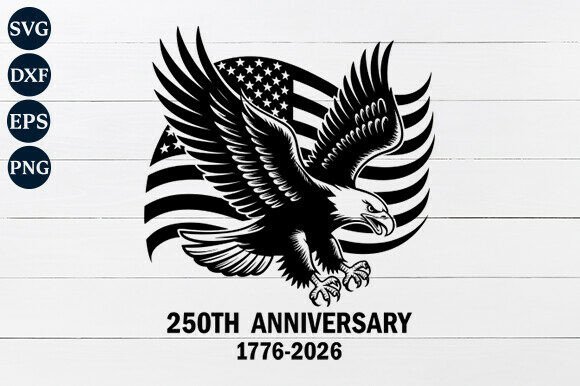
The mood of this design is undeniably bold. The combination of the bald eagle and the USA flag creates a classic, timeless aesthetic that resonates deeply during holiday seasons, particularly for holiday embroidery surrounding the 4th of July. However, beyond the symbolism, the visual personality of the file suggests strength. The lines appear confident, which is crucial. In embroidery, wobbly or overly complex vectors often result in messy stitching. This design seems to strike a balance between detailed artistry and the practical limitations of thread. It feels like a design meant for statement pieces rather than subtle background accents. When I imagine this stitched out, I see high contrast and strong definition, which is exactly what you want for items that need to grab attention on a crowded craft fair table or an Etsy shop homepage.
Real-World Application: The Custom Tote Bag Scenario
To truly evaluate this embroidery file, I imagined a real-life scenario: a custom order for a local boutique needing a run of heavy-canvas tote bags for a summer market. The client wanted something that screamed "American Made" without looking dated. The American Eagle Flag SVG fits this brief perfectly. On a sturdy canvas tote, the design's larger elements would allow for substantial fill stitch areas, giving the bag a textured, high-value feel.
If I were executing this, I would likely treat it as an applique design opportunity. By cutting the eagle and flag shapes from fabric and using the SVG as a guide for a satin stitch border, the finished product gains dimension that flat stitching sometimes lacks. This approach elevates the item from a simple grocery bag to a small shop product that can command a higher price point. For Etsy sellers, this versatility is gold. You aren't just selling a bag; you are selling a piece of wearable art that tells a story. The design's layout works well centered on the front of a tote, ensuring it remains visible even when the bag is in use.
Performance on Custom Apparel and Textiles
Moving beyond totes, let's talk about custom apparel. This design shines on sweatshirts and hoodies, where the fabric weight can support the density of the stitching. A sweatshirt embroidery project using this eagle motif would make an excellent uniform for a local sports team or a commemorative gift for a family reunion. The broad strokes of the flag and the wings of the eagle translate beautifully into satin stitch columns, providing a glossy, professional finish.
However, caution is needed when considering lighter fabrics. If you attempt this on a thin t-shirt or a delicate baby onesie for baby embroidery, the stitch density might cause puckering. The design is robust, which means it carries weight. For lighter materials, you would need to be strategic with your stabilizer choice, perhaps opting for a cut-away stabilizer to ensure the design doesn't distort after multiple washes. Similarly, for an embroidered patch, this design is ideal. The defined edges of the eagle and flag make it easy to create a clean merrowed edge, resulting in a patch that looks manufactured rather than home-stitched.
Critical Considerations for Execution
While the design is strong, there are areas where a designer must exercise judgment. First, consider the hoop size. Depending on the scale you intend to stitch, ensure your machine's hoop can accommodate the full width of the eagle's wingspan. Trying to shrink this design to fit a small 4x4 hoop for a cap might compromise the detail in the feathers or the stripes of the flag. Tiny details often get lost or become bird-nests of thread when scaled down too aggressively.
Texture is another factor. On highly textured fabrics like terry cloth towels or thick wool blankets, the fine lines of the flag's stripes might get lost in the pile. In these cases, increasing the size of the design or simplifying the internal details through manual digitizing adjustments might be necessary. Furthermore, if you are working on curved surfaces like caps, the centering of such a symmetrical yet dynamic image requires precision. A slight tilt in the hooping process will be immediately obvious to the customer, breaking the professional illusion.
Enhancing Brand Value and Customer Trust
Ultimately, the choice of design assets directly impacts your brand consistency. Using a high-quality file like the American Eagle Flag SVG signals to your customers that you care about the final output. A crisp, well-executed eagle builds trust. It tells the buyer that the finished product will last. In contrast, a pixelated or poorly stitched design can damage a craft business's reputation instantly. This design offers the clarity needed to maintain professionalism. Whether used for printable mockup previews in your online store or as the actual stitched item, the visual appeal is high. It encourages buyer engagement because it looks substantial and valuable.
Practical Notes for the Embroidery Designer
Before you start stitching on your final inventory, here are a few practical steps I recommend:
- Test on Scrap Fabric: Always run a test stitch-out on the exact same fabric and stabilizer combination you plan to use for the final product. This reveals any tension issues or density problems.
- Check Thread Contrast: Ensure your thread colors pop against the fabric. For dark fabrics, you may need to adjust the underlay or choose brighter thread shades to maintain the design's visibility.
- Review Stitch Density: If the design feels too stiff after stitching, consider reducing the fill density in your editing software to improve the drape of the garment.
- Verify Licensing: Since this is an instant download file often used for commercial purposes, double-check the specific license terms included in the zipped folder. Confirm whether you are allowed to sell the physical finished product or if there are restrictions on reselling the digital file itself.
- Mockup Testing: Create black and white mockups to see how the design reads without color. This helps identify if the shape alone is strong enough to carry the visual weight.
In conclusion, the American Eagle Flag SVG is a versatile asset for the serious maker. It bridges the gap between digital convenience and tactile quality. Whether you are creating personalized gifts for veterans, stocking up for Independence Day sales, or adding a touch of patriotism to your everyday commercial embroidery lineup, this design holds up under scrutiny. Just remember that the file is only half the equation; your expertise in handling fabric, thread, and tension is what will ultimately bring this eagle to life.