Worn Thin Blue Line Flag: A Designer's Real-World Review
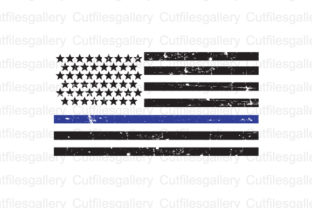
When I first pulled up the Worn Thin Blue Line Flag on my screen, I didn't just see a graphic; I saw a statement. As someone who spends hours digitizing and stitching for clients, I know that a design's visual impact on a monitor is only half the battle. The real test is how it translates into thread, how it sits on fabric, and whether it holds up under the scrutiny of a customer who cares deeply about the message it carries. This isn't just another digital embroidery file sitting in a folder; it is a potential centerpiece for a handmade product that needs to convey respect, support, and durability.
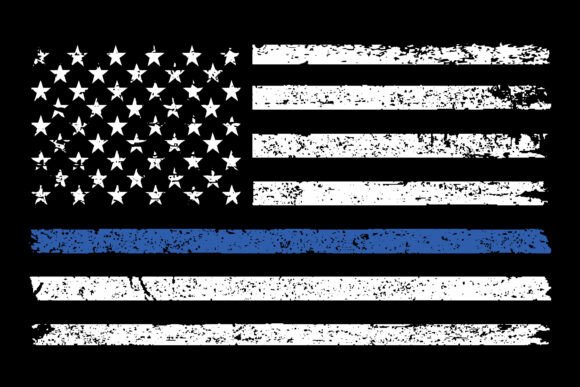
The mood of this design is immediately distinct. The "grunge" element mentioned in the description isn't just a filter; it suggests texture, history, and resilience. For an embroidery project, this aesthetic offers a fantastic opportunity to play with thread textures and stitch types. Unlike a crisp, vector-perfect flag that demands flawless satin stitches, a worn design forgives slight imperfections and actually benefits from the natural texture of thread. It feels right at home on heavy cotton twill, denim, or canvas, making it an ideal candidate for rugged custom apparel or durable accessories.
Visual Personality and Stitch Potential
The layout of the Worn Thin Blue Line Flag strikes a balance between recognition and artistic interpretation. The iconic "thin blue line" is the focal point, and in an embroidery context, this is where your thread choice becomes critical. I envision using a high-sheen rayon or a matte polyester for the blue stripe to make it pop against the distressed red and white areas. The grunge effect implies broken lines and faded areas, which can be brilliantly executed using a mix of fill stitch for the solid blocks and running stitch or light stippling for the worn edges. This variation in stitch density not only adds visual interest but also prevents the design from becoming too stiff or puckered, a common issue with large, solid fills.
For Etsy sellers and craft business owners, this versatility is gold. You aren't limited to one look. You could create a subdued, tonal version using varying shades of grey and blue for a more understated personalized gift, or go bold with vibrant primary colors for a statement piece. The design assets provided—including SVG, PDF, JPEG, PNG, EPS, and AI formats—mean you have the flexibility to resize and adjust the artwork before sending it to your digitizer or importing it into your embroidery software. However, always remember that having the vector source (SVG, EPS, AI) is just the starting point; the actual machine embroidery design file needs to be properly digitized for your specific machine and hoop capabilities.
Real-World Application: The Custom Tote Scenario
Let's walk through a realistic scenario. Imagine a client approaches your small shop product line requesting a custom tote bag for a local law enforcement appreciation event. They want something that looks professional yet rugged, something that won't look brand new after a week of carrying gear. The Worn Thin Blue Line Flag is perfect for this. I would select a heavy-duty canvas tote in a natural or khaki color. The neutral background allows the flag's colors to stand out without clashing.
In this application, the grunge texture of the design mimics the wear and tear a police officer's gear might experience, creating an emotional connection with the end-user. When stitching this onto a tote, I'd recommend a cut-away stabilizer rather than tear-away. Tote bags carry weight, and the fabric stretches; a cut-away stabilizer ensures the finished product maintains its shape and the stitching doesn't pucker over time. The result is a tote bag design that feels substantial and meaningful, likely generating positive reactions and repeat orders for similar commercial embroidery jobs.
Beyond totes, consider sweatshirt embroidery. A hooded sweatshirt in charcoal grey or navy blue provides an excellent backdrop. The distressed look of the flag complements the casual, comfortable nature of fleece. For holiday embroidery gifts, such as a Christmas ornament or a stocking, this design offers a patriotic alternative to traditional motifs. Even for baby embroidery, if scaled down appropriately and stitched with soft threads on a gentle fabric like jersey, it can serve as a heartfelt gift for a newborn in a law enforcement family, though one must be extra careful with stitch density on delicate fabrics.
Navigating Technical Challenges
While the Worn Thin Blue Line Flag is versatile, it requires thoughtful execution. The "grunge" details mean there are likely many small, disconnected elements. If you are working with a small hoop size, you need to ensure these tiny islands of stitching don't get lost or cause thread breaks. On textured fabrics like towels or pique polo shirts, fine details can get swallowed up by the fabric loops. In these cases, it might be wise to simplify the design slightly or increase the stitch count in the smaller areas to ensure clarity.
Curved surfaces present another challenge. If you are applying this to a cap, the front panel's curve can distort the horizontal lines of the flag. A skilled digitizer will account for this pull compensation, but as the maker, you should test the design on a scrap piece of the same cap material first. Dark fabrics require careful consideration of underlay stitches. If the red and white threads aren't dense enough, the dark fabric underneath might show through, muting the colors. Conversely, on light fabrics, ensure your backing isn't visible through the distressed gaps unless that is the intended aesthetic.
Frequency of washing is another factor for custom apparel. Designs with high stitch density and complex grunge effects can sometimes fray if not secured well. Using high-quality threads and ensuring proper trim settings on your machine will extend the life of the embroidered patch or direct stitch. Always advise your customers on care instructions to maintain the integrity of their personalized products.
Enhancing Brand Value and Customer Trust
Using a design like the Worn Thin Blue Line Flag correctly can significantly boost your brand's perceived value. It shows that you understand not just how to stitch, but how to match a design's sentiment with the right product. When a customer sees a well-executed, thoughtful piece of custom apparel or decor, it builds trust. They see you as a partner in their expression, not just a vendor. This is crucial for Etsy sellers and creative entrepreneurs looking to build a loyal following.
The professional presentation of such a design in your printable mockup galleries or social media posts can drive engagement. Show the design on various items—a pillow cover, an apron, a blanket—to help customers visualize the possibilities. Highlight the texture and the quality of the stitch in your photos. A clear, high-resolution image of the finished product speaks louder than any marketing copy.
Final Designer Notes for Success
Before committing to a production run, always test the design on scrap fabric that matches your final material. Check the contrast of your thread colors under different lighting conditions. If you are selling these items, double-check the licensing terms associated with the Graphics and Crafts files you purchased. The product description lists editable files like AI and EPS, which is great for customization, but confirm whether the license allows for commercial use of the finished product or if there are restrictions on reselling the digital files themselves.
Inspect the small details closely. Does the grunge effect look intentional or messy? Adjust your tension and stabilizer choices accordingly. Whether you are creating a holiday gift, a boutique item, or a large order for a department, the Worn Thin Blue Line Flag offers a powerful visual language. With careful planning and skilled execution, it can become a staple in your portfolio, delivering both aesthetic appeal and emotional resonance to your customers.