Racing Flag Checkered Flag: A Designer's Review
As someone who spends more time at the hoop than away from it, I approach every new machine embroidery design with a mix of curiosity and skepticism. We have all downloaded a file that looked crisp on the screen only to turn into a bird's nest of thread on the fabric. That is why I took a close look at the Racing Flag Checkered Flag before committing it to a client project. This isn't just about whether the lines are straight; it is about how this graphic translates into a tangible, high-quality handmade product that holds up under scrutiny and washing.
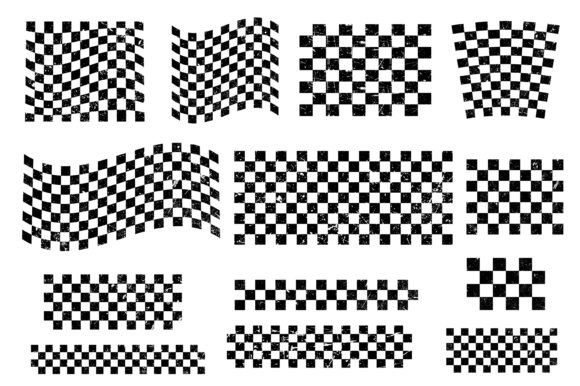
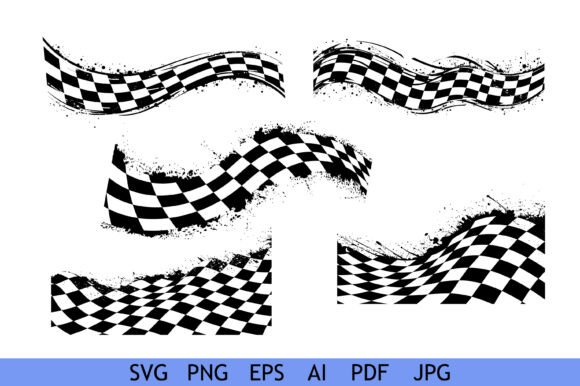
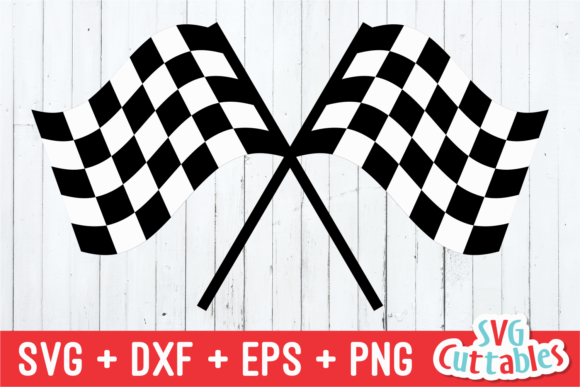
The first impression of the Racing Flag Checkered Flag is one of bold, energetic simplicity. In the world of Crafts and Graphics, sometimes less is more, and this design leans heavily into that philosophy. The checkered pattern is iconic, instantly recognizable as a symbol of speed, competition, and finishing strong. Visually, the layout offers two distinct options: a single flag and a double flag arrangement. This versatility is immediately appealing for a designer trying to maximize the utility of a single purchase. The shapes are clean, avoiding unnecessary complexity that often leads to stitching errors, which suggests a thoughtful approach to digitizing.
Real-World Application: The Custom Tote Test
To truly evaluate this embroidery file, I needed a scenario where durability and visual impact were non-negotiable. I decided to use the double-flag version for a custom order: a set of canvas tote bags for a local go-karting league's end-of-season party. The goal was to create something that felt professional enough for a prize but rugged enough for actual use.
Working with canvas presents specific challenges regarding fabric texture and density. When I loaded the design, my primary concern was how the small squares of the checkered pattern would render on the slightly coarse weave of the canvas. Would they blur together? Would the needle perforate the fabric too much in those tight areas? After hooping the fabric with a sturdy cut-away stabilizer—a must for any bag that will carry weight—I ran a test stitch on a scrap piece.
The result was surprisingly sharp. The transition between the black and white sections (or whatever thread colors you choose) was distinct. The design did not suffer from pull distortion, which is common when stitching geometric patterns on flexible materials. For a tote bag design like this, the Racing Flag Checkered Flag delivered a finished product that looked intentional and high-end, rather than like a generic iron-on transfer that might peel after a few months.
Versatility Across Apparel and Decor
Beyond tote bags, this design has significant potential for custom apparel. I can easily envision the single flag working beautifully as a chest logo on a sweatshirt embroidery project or a left-breast emblem on a racing team jacket. The scale seems appropriate for standard hoops, making it accessible for most home machines without requiring constant re-hooping.
For those running an Etsy seller shop or a small boutique, the application possibilities extend to baby embroidery as well. A simplified version of this flag, perhaps using softer pastel threads instead of stark black and white, could make a charming addition to a nursery-themed onesie or a baby blanket. However, caution is advised here. When scaling down for infant wear, one must be mindful of stitch density. If the squares become too small, the satin or fill stitches might become too stiff for a baby's sensitive skin. It is always wise to feel the back of the stitching; if it feels like sandpaper, it needs adjustment or a different fabric backing.
In the realm of home decor, this graphic shines on pillow covers and kitchen towels. A monochromatic scheme on a linen pillow cover creates a modern, masculine aesthetic that fits well in contemporary living spaces. As a holiday embroidery gift for Father's Day or a birthday, it carries a personalized touch that mass-produced items simply cannot match. The key to success in these applications is contrast. On dark fabrics, using a metallic or bright thread for the "white" squares can add a level of sophistication that elevates the entire piece.
Technical Considerations and Potential Pitfalls
While the Racing Flag Checkered Flag performs well in many scenarios, there are areas where a designer must exercise caution. The nature of a checkered pattern means there are many internal corners and stop/start points for the needle. On stretchy fabrics like jersey knits, unless you are using a high-quality water-soluble topper and the correct stabilizer, those sharp corners can cause the fabric to pucker. The tension between the stitched area and the unstitched fabric can lead to distortion over time, especially after frequent washing.
Furthermore, if you are attempting to place this on curved surfaces like caps or hats, the geometry of the flag might warp. Flat designs do not always translate perfectly to the complex curves of a structured cap without careful digitizing adjustments or precise hooping techniques. If you are new to hat embroidery, I recommend sticking to flat garments like t-shirts or patches until you master the tension requirements.
Another critical factor is the hoop size. While the design likely fits within standard 4x4 or 5x7 hoops, you must verify the dimensions in your software before purchasing or stitching. Trying to force a design into a hoop that is too tight can compress the stitches, ruining the definition of the checkered squares. Always measure your intended placement area on the garment first.
Building Brand Value and Customer Trust
For commercial embroidery professionals, the consistency of your output defines your brand. Using a reliable digital embroidery file like this one helps maintain that consistency. When a customer receives a patch or shirt where the lines are crisp and the coverage is even, it builds trust. They perceive the item as valuable, which justifies a higher price point for your small shop product.
The Racing Flag Checkered Flag also serves as an excellent asset for creating printable mockups. Because the shapes are so defined, they photograph well for online listings. Clear, high-contrast images of your finished product drive engagement and sales. Whether you are selling the physical embroidered item or using the design as part of a larger branding package for a client, the professional appearance of the stitch-out matters.
Final Verdict and Designer Notes
In conclusion, the Racing Flag Checkered Flag is a solid addition to any designer's library of design assets. It balances thematic relevance with technical feasibility. However, before you commit to a large production run or a high-stakes client order, follow these practical steps:
- Test on Scrap Fabric: Always stitch a sample on the exact same material and weight you plan to use for the final product.
- Check Thread Contrast: Ensure your chosen thread colors provide enough separation so the checkered pattern doesn't look muddy from a distance.
- Review Stitch Density: If the design feels too heavy, consider reducing the density in your editing software to prevent fabric stiffness.
- Confirm Licensing: The product description mentions it comes in SVG, EPS, DXF, and PNG formats, often used for cutting machines. Before using this for commercial embroidery or selling digital derivatives, explicitly confirm the license terms with the creator to ensure you are compliant.
- Inspect Small Details: Zoom in on the digitized file to check for jump stitches or unnecessary trims that could slow down your machine.
Ultimately, this design offers a reliable foundation for a variety of projects, from embroidered patches to full-back jacket designs. With the right preparation and attention to detail, the Racing Flag Checkered Flag can help you create standout pieces that resonate with customers and stand the test of time.